
Beauty used to be simple. You went to a shop, tried a few products, asked the sales person, or followed what your friend used. Sometimes it worked. Many times it did not. You wasted money, time, and still had the same skin problems.
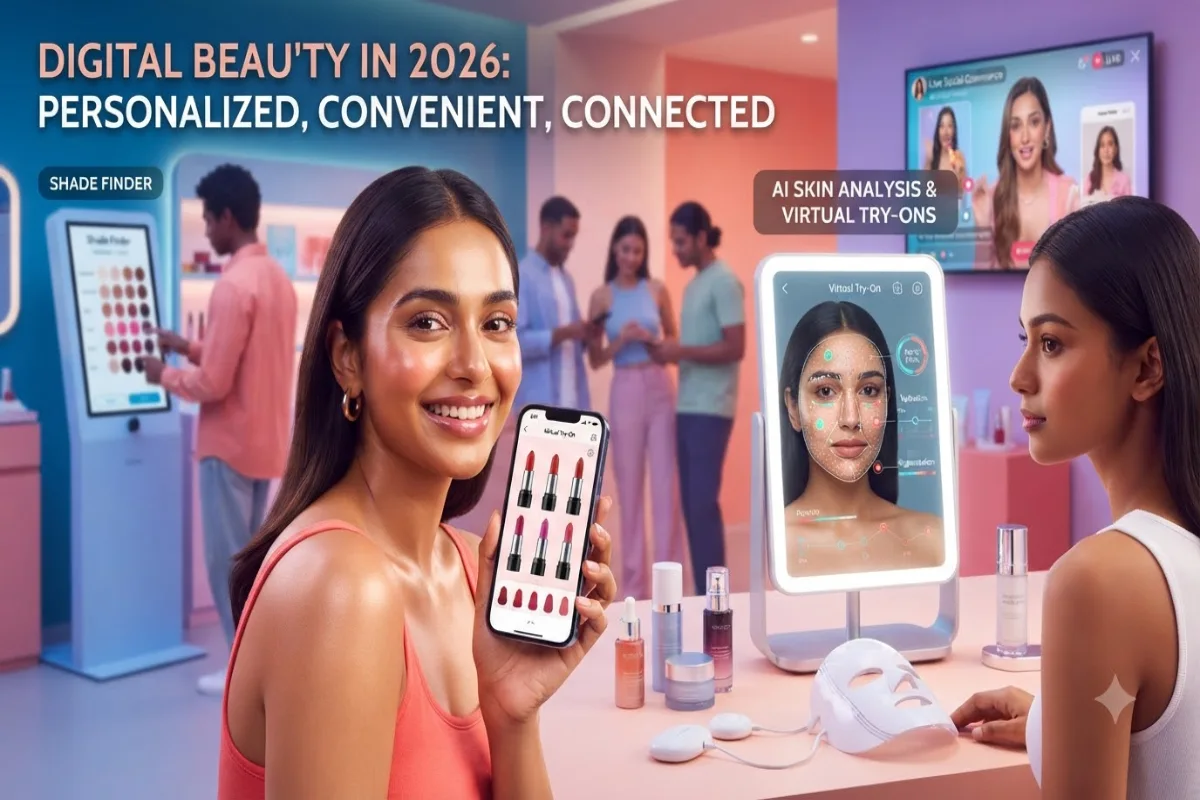
In 2026, things are different. Digital technology has changed the way we discover, choose, try, and use beauty products. From mobile phones to artificial intelligence, technology is making beauty more personal, more convenient, and in many cases more effective.
This article explains the biggest changes happening right now in simple words. No complicated jargon. Just clear information that helps you understand what is useful and what is still hype.
Why Digital Technology Matters in Beauty Today
People today want results that actually work for their skin. Indian skin is diverse — different tones, different climates, different problems like pigmentation, oiliness in humidity, and dryness from air conditioning. One product does not suit everyone.
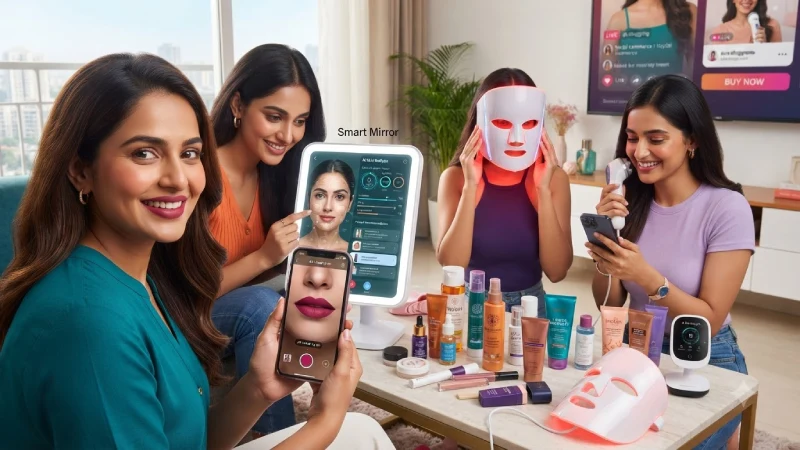
Technology helps by looking at your individual skin instead of giving the same advice to everyone. It also saves time. You can try lipstick shades at home, get a skin analysis in seconds, and get product suggestions without standing in long queues.
Main Ways Digital Technology is Changing Beauty
Here are the biggest changes we are seeing in 2026.
1. AI Skin Analysis – Knowing Your Skin Better
One of the strongest changes is AI-powered skin analysis. You take a selfie or scan your face with an app or device. The AI looks at pores, wrinkles, pigmentation, hydration, redness, and other factors. Then it gives a report and suggests products or routines.
Many apps and platforms now offer this. Some are free, some are linked to brands. In India, several digital dermatology platforms and beauty apps use similar technology. The idea is simple: instead of guessing, you get data about your skin.
Benefits:
- Helps identify concerns you may not notice yourself
- Gives personalised product suggestions
- Tracks changes over time if you scan regularly
Limitations:
- Results depend on lighting and photo quality
- Not a replacement for a real dermatologist for serious issues
- Some tools push their own products more than neutral advice
Still, for everyday guidance, many people find it helpful.
2. Virtual Try-On with Augmented Reality (AR)
Remember the days of opening ten lipstick tubes in a store or worrying about hygiene? Virtual try-on has almost solved that problem.
Using your phone camera, AR technology places makeup shades, lipstick, eyeshadow, or even hair colour on your face in real time. You can see how a foundation shade looks on your actual skin tone or how a bold red lipstick suits you before buying.
Brands like Nykaa and many international companies have made this common. It works especially well for makeup. For skincare, some tools show possible results after using a product for weeks.
This technology reduces returns and increases confidence while shopping online.
3. Personalised Product Recommendations
Earlier, recommendations came from friends, beauty advisors, or influencers. Now algorithms study your skin type, concerns, past purchases, and even climate data to suggest products.
AI looks at thousands of combinations and finds what is more likely to work for someone with similar skin. This is useful for people who feel lost in the huge number of serums, moisturisers, and sunscreens available today.
Some platforms go further and create custom routines based on your scan results.
4. Smart Beauty Devices and At-Home Tools
Beauty tech is not only apps. Physical devices are also growing. LED masks, smart mirrors that analyse skin, devices that track moisture levels, and tools that give light therapy at home are becoming more common.
In 2026, more of these devices use AI to adjust settings according to your skin needs. They are still expensive for many people, but prices are slowly coming down and more options are appearing.
5. Social Commerce and Instant Buying
Social media is no longer just for watching reels. Platforms now allow direct shopping. You see a product in a video, like it, and buy it without leaving the app. Live shopping sessions, influencer recommendations with instant purchase links, and AI-powered search inside apps are changing how people discover beauty products.
This is especially strong among younger users who spend a lot of time on short video platforms.
Comparison: Traditional Beauty Shopping vs Digital Beauty in 2026
| Aspect | Traditional Way | Digital Way (2026) |
|---|---|---|
| Finding right shade | Trial in store or guess | Virtual try-on on phone |
| Understanding skin | Trial and error or visit dermatologist | AI skin scan in seconds |
| Product advice | Sales person or friend | Personalised AI recommendations |
| Trying before buying | Limited in store | Multiple shades and looks at home |
| Tracking progress | Memory or photos | Regular AI scans and reports |
| Shopping convenience | Physical store or basic online | Seamless from social media to checkout |
| Risk of wrong product | Higher | Lower with better matching tools |
How This Helps Everyday People in India
Indian weather, pollution, hard water, and diverse skin tones make beauty advice complicated. Digital tools help in practical ways:
- Virtual try-on works well for different Indian skin tones
- AI analysis can factor in common concerns like pigmentation and excess oil
- Apps make it easier to find products available on Indian platforms
- People in smaller towns can access better guidance without travelling to big cities
Many users start with free tools and then decide whether to buy recommended products.
Practical Ways You Can Use Digital Beauty Tools Today
You do not need expensive gadgets to start.
- Try virtual lipstick or foundation try-on on major beauty apps before buying.
- Use free or low-cost AI skin analysis tools once every few months to track changes.
- Read the full report carefully instead of only looking at product suggestions.
- Cross-check AI recommendations with basic knowledge (for example, always use sunscreen).
- Use social media search and reviews along with AI suggestions, not instead of them.
Benefits of Digital Transformation in Beauty
- More personalised advice
- Less waste of money on wrong products
- Greater convenience and privacy
- Better understanding of your own skin over time
- Easier comparison of ingredients and claims
- Access to information for people who cannot visit stores easily
Limitations and Things to Be Careful About
Technology is helpful but not perfect.
- AI can make mistakes if the photo is poor or lighting is bad
- Some tools are designed mainly to sell specific brands
- Over-reliance on apps may delay seeing a doctor for real skin problems
- Privacy of face scans and data is a concern for some users
- Not every expensive device delivers big results
The best approach is to use technology as a helper, not as the only source of truth.
The Future Outlook
In the coming years, we can expect even more advanced tools. Skin analysis may become more accurate. Custom formulations based on your data may become more common. Devices that monitor skin daily may get smaller and cheaper. AI will likely become better at understanding different skin tones and climates.
At the same time, the human element will remain important. A good dermatologist, honest product reviews, and common sense still matter.
Simple Tips to Stay Smart with Digital Beauty
- Always start with a clean face and good lighting for any scan
- Do not buy every product an app recommends
- Combine technology with basic skincare knowledge
- Protect your data and check privacy settings
- Remember that consistency in routine is still more important than any gadget
Final Thoughts
Digital technology is making beauty more intelligent and more accessible. In 2026, you no longer have to rely only on trial and error or generic advice. You can get personalised insights, try products virtually, and make better choices from your phone.
The change is real and useful, especially when used wisely. Technology works best when it supports good habits rather than replacing them.
Start small. Try one virtual try-on or one skin analysis. See how it feels. Over time, these tools can help you understand your skin better and waste less money on products that do not suit you.
Beauty is still about taking care of yourself. Digital tools are simply making that care smarter and more personal.
