
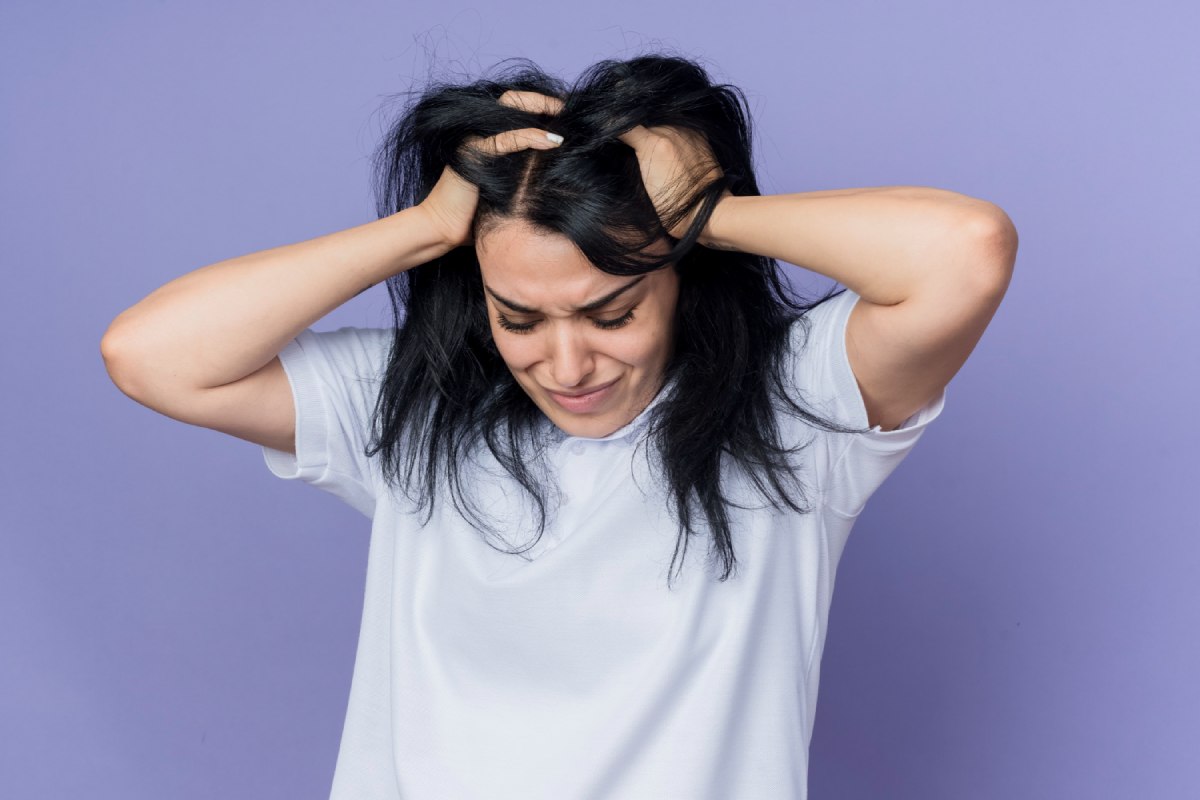
Introduction: Why Is My Scalp Itching So Much?
An itchy scalp sounds like a small problem — until it doesn’t stop.
You wash your hair.
You oil it.
You change shampoo.
Still, the itching comes back.
Sometimes it’s mild.
Sometimes it feels embarrassing to scratch in public.
Sometimes flakes or redness make it worse.
You’re not alone.
From what I’ve seen and experienced, itchy scalp is one of the most common hair complaints, especially among women who already follow a basic hair care routine.
This article is not medical advice.
It doesn’t push products or treatments.
It simply explains:
-
why scalp itching happens
-
what causes it (common + less obvious reasons)
-
safe home remedies that actually help
-
what makes itching worse
-
when itching may need professional attention
What Is an Itchy Scalp?
An itchy scalp means your scalp skin is irritated, dry, inflamed, or reacting to something.
Your scalp is skin — just like your face.
When it’s unhappy, it shows signs.
Common Signs of Itchy Scalp
-
Constant urge to scratch
-
Tight or dry feeling
-
Flakes or dandruff
-
Red patches
-
Burning or tingling sensation
Important: Itching is a signal, not the problem itself.
Main Causes of Itchy Scalp (Most to Least Common)
Dry Scalp (Very Common)
This is one of the top reasons.
Why it happens:
-
Overwashing
-
Strong shampoos
-
Cold or dry climate
-
Skipping oiling completely
How it feels:
-
Tight scalp
-
Fine white flakes
-
Worse after washing
Estimated insight:
Around 40–45% itchy scalp cases are linked to dryness.
Dandruff & Flaky Scalp
Dandruff is not always dryness.
It can be:
-
fungal imbalance
-
excess oil
-
scalp sensitivity
Signs:
-
White or yellow flakes
-
Itching increases after sweating
-
Scalp feels oily but itchy
Wrong Shampoo or Hair Products
This is more common than people admit.
Triggers include:
-
Harsh sulphates
-
Strong fragrance
-
Anti-dandruff shampoo used daily
-
Too many styling products
Personal opinion:
If your scalp feels itchy within hours after washing — your shampoo is likely the problem.
Oily Scalp with Product Build-Up
Oil doesn’t always mean healthy scalp.
Too much oil + sweat + dust = itching.
Common with:
-
Frequent oiling without proper wash
-
Not rinsing shampoo fully
-
Using dry shampoo often
Allergic or Sensitive Scalp Reaction
Some scalps react easily.
Triggers:
-
Hair dye
-
New shampoo
-
Herbal powders
-
Essential oils used directly
Redness + itching together often means sensitivity.
Stress & Lifestyle Factors (Underrated Cause)
Stress affects skin and scalp.
How stress contributes:
-
Hormonal imbalance
-
Increased sensitivity
-
Slower scalp healing
About 20–25% people notice scalp itching worsen during stressful periods.
Skin Conditions (Less Common, But Important)
Examples:
-
Seborrheic dermatitis
-
Psoriasis
-
Fungal infections
These usually include:
-
thick flakes
-
redness
-
recurring itching
Home care may help temporarily, but guidance is needed.
Quick Table: Itchy Scalp Causes & Clues
| Symptom | Likely Cause |
|---|---|
| Itching + tight feeling | Dry scalp |
| Itching + oily flakes | Dandruff |
| Itching after shampoo | Product reaction |
| Red patches | Sensitivity |
| Stress-related itching | Lifestyle |
| Thick flakes + redness | Skin condition |
Home Remedies for Itchy Scalp (Safe & Popular)
These are comfort remedies, not cures.
Coconut Oil (Most Used)
Why it helps:
-
Moisturizes scalp
-
Reduces dryness
-
Soothes irritation
Best for: dry, tight scalp
Avoid if: dandruff is oily
Aloe Vera Gel
Very gentle.
Benefits:
-
Cooling effect
-
Reduces redness
-
Hydrates scalp
How to use:
Apply fresh gel, leave 20–30 minutes, rinse.
Tea Tree Oil (Diluted Only)
Known for scalp freshness.
Important rule:
Always mix with carrier oil.
Best for: mild dandruff itching
Not for: sensitive scalp without patch test
Yogurt or Curd Mask
Old but useful.
Why it works:
-
Calms scalp
-
Adds moisture
-
Mild exfoliation
Neem (Traditional Remedy)
Used in many homes.
Helps with:
-
itching
-
scalp discomfort
-
mild flakes
Home Remedy Comparison Table
| Remedy | Best For | Speed | Safety |
|---|---|---|---|
| Coconut oil | Dry scalp | Slow | Very safe |
| Aloe vera | Sensitive scalp | Medium | Very safe |
| Tea tree oil | Dandruff | Fast | Use carefully |
| Curd | Dry + itchy | Medium | Safe |
| Neem | Flaky scalp | Medium | Safe |
What Makes Itchy Scalp Worse (Very Important)
Avoid these if itching doesn’t improve:
Scratching too much
Washing daily with strong shampoo
Using anti-dandruff shampoo daily
Applying undiluted essential oils
Ignoring scalp type
Around 55–60% people see improvement just by correcting shampoo + wash frequency.
Itchy Scalp vs Dandruff vs Dry Scalp
| Feature | Dry Scalp | Dandruff | Sensitive Scalp |
|---|---|---|---|
| Flakes | Fine, dry | White/yellow | Few or none |
| Oiliness | Low | Medium–high | Normal |
| Itch level | Mild–medium | Medium–high | High |
| Cause | Moisture loss | Fungal imbalance | Reaction |
How Itchy Scalp Fits Into a Hair Care Routine
An itchy scalp means your routine needs adjustment.
Check:
-
shampoo choice
-
oiling frequency
-
water temperature
-
stress & sleep
Internal links to add naturally:
-
Hair Care Routine for Women
-
Hair Oiling Routine
-
Hair Masks for Hair Growth
When to Be Extra Careful
You may need guidance if:
-
itching lasts more than 3–4 weeks
-
there is pain or swelling
-
hair fall increases suddenly
-
red patches spread
This article is informational only.
Climate-Wise Itchy Scalp
Why It Feels Worse in India vs Cold Countries
Climate plays a bigger role in scalp itching than most people realize.
Your scalp reacts to:
-
humidity
-
temperature
-
sweating
-
air dryness
That’s why advice from foreign blogs doesn’t always work for Indian hair.
Itchy Scalp in Hot & Humid Climate (India)
In countries like India, scalp itching is often linked to sweat + oil + pollution.
Common Triggers in India
-
Excess sweating on scalp
-
Dust and pollution sticking to oil
-
Frequent outdoor exposure
-
Hard water in many areas
How it feels:
-
Scalp becomes itchy by evening
-
Oil feels heavy instead of soothing
-
Dandruff increases during summer
💬 Personal observation:
Many people oil their hair more to reduce itching — but in humidity, this can actually make itching worse.
Itchy Scalp in Cold or Dry Countries
Cold countries create a different problem.
Common Triggers
-
Very dry air
-
Indoor heating
-
Hot water hair washes
-
Less natural oil production
How it feels:
-
Tight scalp after washing
-
Flakes without oil
-
Itching increases in winter
Climate Comparison Table
| Factor | India (Hot/Humid) | Cold Countries |
|---|---|---|
| Main trigger | Sweat + oil | Dryness |
| Flakes type | Oily or sticky | Dry, powdery |
| Oiling effect | Can worsen itching | Often helps |
| Wash frequency | Moderate | Less frequent |
| Best focus | Scalp cleansing | Moisture |
Age-Wise Scalp Sensitivity
Teens vs Adults vs 40+
Your scalp changes with age — just like your skin.
Teens & Early 20s
Common Causes
-
Hormonal changes
-
Oily scalp
-
Sweat + dandruff
Typical signs:
-
Itching with oily roots
-
White flakes
-
Scalp acne sometimes
Focus: gentle cleansing, avoid heavy oils.
Adults (25–40 Years)
This is the most common age group searching for itchy scalp solutions.
Causes
-
Stress
-
Product build-up
-
Wrong shampoo
-
Busy lifestyle (irregular washing)
Typical signs:
-
Random itching
-
Hair fall + itching together
-
Seasonal flare-ups
Focus: correct shampoo + balanced routine.
40+ Age Group
Scalp becomes more dry and sensitive.
Causes
-
Reduced natural oil
-
Hormonal shifts
-
Slower skin repair
Typical signs:
-
Persistent dryness
-
Mild itching
-
Thinner hair
Focus: moisture, gentle care, less frequent washing.
Age-Wise Comparison Table
| Age Group | Common Cause | Itch Type | Best Approach |
|---|---|---|---|
| Teens | Oil & hormones | Oily itch | Gentle cleansing |
| 25–40 | Stress + products | Mixed | Balanced routine |
| 40+ | Dryness | Dry itch | Moisturizing care |
Oily Scalp but Still Itchy — Why This Happens
This confuses many people.
“How can my scalp be oily and itchy at the same time?”
The Real Reasons
Oil Overproduction
Your scalp produces too much oil to protect itself, often due to:
-
harsh shampoos
-
overwashing
-
stress
More oil ≠ healthier scalp.
Product Build-Up
Oil + shampoo residue + dust = blocked scalp.
This leads to:
-
itching
-
flakes
-
uncomfortable scalp feeling
Dandruff Loves Oil
The yeast that causes dandruff feeds on oil.
So oily scalp can actually increase itching.
Signs You Have Oily-Itchy Scalp
-
Greasy roots within 1 day
-
Itching after sweating
-
Flakes stick to scalp
What Helps (Non-Medical)
-
Wash with mild shampoo
-
Reduce oiling frequency
-
Avoid leaving oil overnight too often
-
Rinse thoroughly
Shampoo Ingredient Deep-Dive
Safe vs Irritating
Not all shampoos are bad — but some ingredients don’t suit itchy scalps.
Ingredients That Often Cause Irritation
| Ingredient | Why It Irritates |
|---|---|
| Strong sulphates | Strip natural oils |
| Artificial fragrance | Triggers sensitivity |
| Alcohol (high amount) | Dries scalp |
| Heavy silicones | Build-up |
Ingredients That Are Usually Gentle
| Ingredient | Why It Helps |
|---|---|
| Aloe vera | Soothes scalp |
| Glycerin | Adds moisture |
| Coconut-based cleansers | Mild cleansing |
| Tea tree (low %) | Reduces dandruff |
💬 Honest note:
“Herbal” on a label doesn’t guarantee safety. Scalp reaction matters more.
Seasonal Scalp Itching
Summer vs Winter vs Monsoon
Seasonal change affects scalp health more than people expect.
Summer
Triggers:
-
Sweat
-
Oil build-up
-
Dust
Symptoms:
-
Itching by end of day
-
Greasy flakes
Winter
Triggers:
-
Dry air
-
Hot water washes
Symptoms:
-
Tight scalp
-
Dry flakes
Monsoon
Triggers:
-
Humidity
-
Fungal growth
Symptoms:
-
Sticky dandruff
-
Constant itching
Seasonal Comparison Table
| Season | Main Problem | Scalp Feeling | Care Focus |
|---|---|---|---|
| Summer | Sweat | Oily & itchy | Clean scalp |
| Winter | Dryness | Tight & flaky | Moisture |
| Monsoon | Humidity | Sticky itch | Balance |
Reassurance
If your scalp itches, it doesn’t mean something is “wrong” with you.
Most itchy scalp issues improve when:
-
climate is considered
-
age is respected
-
shampoo is chosen wisely
-
routine is adjusted gently
Small changes work better than harsh fixes.
Final Honest Thoughts
In my opinion, itchy scalp is rarely “serious” — but it’s often ignored too long.
Most cases improve when:
-
scalp type is understood
-
shampoo is corrected
-
home remedies are used gently
-
stress is managed
Harsh treatments don’t heal an irritated scalp.
Gentle care does.
