
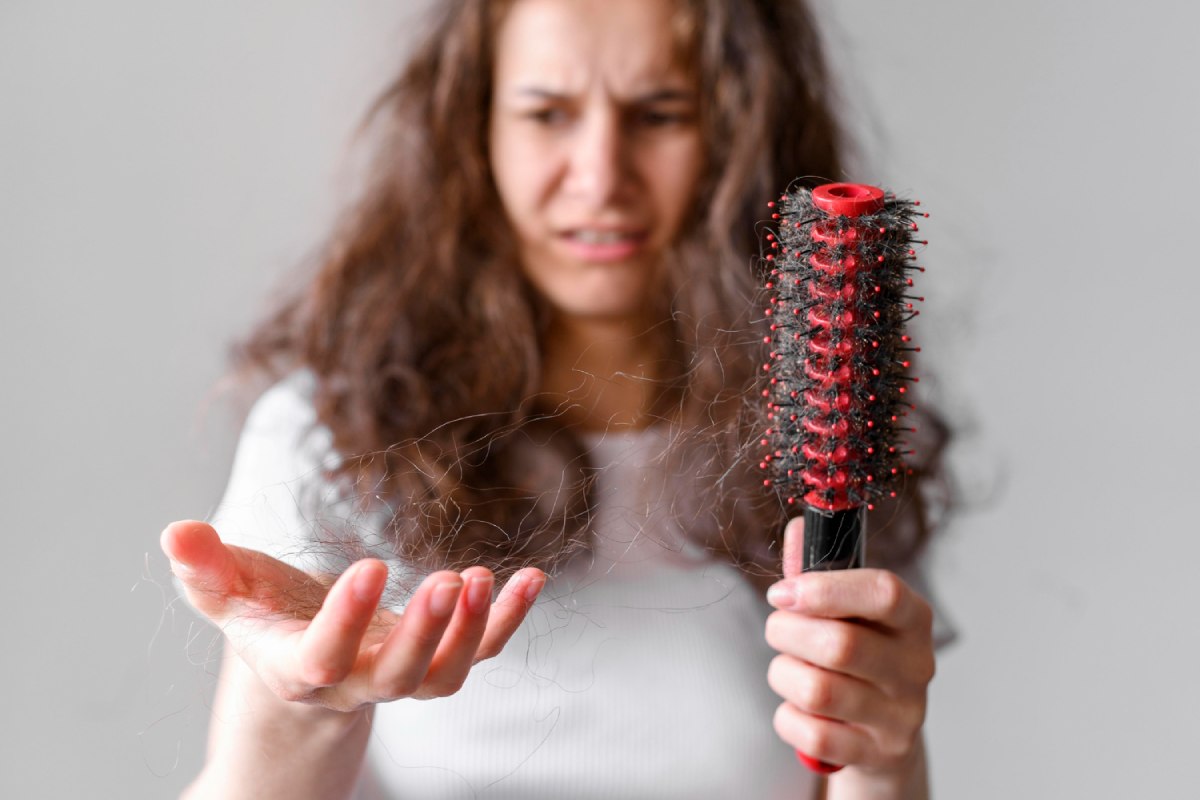
If you’ve searched “why is my hair falling out” at 2 a.m., trust me — you’re not alone. Hair fall is one of those problems that hits suddenly. One day everything feels normal, and the next day your comb looks scary.
Most people panic immediately. I did too. But here’s the honest truth: hair fall is common, and most of the time it’s not something extreme. Your hair is usually reacting to stress, food habits, or small daily mistakes — not some hidden disease.
Let’s break it down in a simple way.
First Thing First: How Much Hair Fall Is Normal?
This is something nobody tells you clearly.
Losing hair every day is normal. Hair grows, rests, and then falls — that cycle never stops.
Normal hair fall: around 50–100 strands a day
If you’re washing your hair or combing after a few days, it can look like more. That doesn’t mean you’re losing hair faster.
When it starts feeling not normal:
-
Hair fall suddenly increases a lot
-
Hair feels thinner than before
-
You see scalp in some areas
That’s when you slow down and check what’s going on.
Common Reasons Why Hair Starts Falling
From experience (and seeing people around me), hair fall usually comes from small problems adding up.
Stress Is a Big One (Yes, Really)
People underestimate stress. Exams, work pressure, lack of sleep, family issues — all of it affects hair.
When you’re stressed:
-
Hair goes into resting mode
-
New hair growth slows
-
Shedding increases
The good news? Stress hair fall is usually temporary.
Food Habits Matter More Than Oils
This might sound boring, but it’s true.
If your diet is mostly:
-
junk food
-
skipped meals
-
low protein
your hair will show it.
Hair needs protein, iron, and vitamins. Without them, even the best products won’t work.
Tight Hairstyles Are Silent Damage
This one is very common, especially for women.
Tight ponytails, braids, or buns every day slowly pull hair from the roots. You won’t notice immediately, but after months, hair fall increases.
If you need ideas, switching to loose and protective hairstyle ideas helps more than you think.
Hard Water Is Real (Not a Myth)
If your hair feels rough no matter what you use, hard water could be the reason.
Hard water:
-
dries scalp
-
causes buildup
-
increases breakage
Many people see improvement just by changing water or using a gentle routine.
Hormones Can Mess Things Up
Hair fall after:
-
pregnancy
-
PCOS
-
thyroid issues
is very real. In these cases, patience is important. Hair doesn’t bounce back overnight.
Hair Care Mistakes We All Make
I’ll be honest — most of us damage our hair while trying to “care” for it.
Common mistakes:
-
Oiling too often
-
Washing with hot water
-
Shampooing daily
-
Rubbing hair hard with a towel
-
Combing wet hair
Over-oiling is especially misunderstood. If you oil blindly, it can clog the scalp. Learning the mistakes to avoid while oiling hair helps a lot.
When Should You Actually Worry?
Not all hair fall needs panic.
But you should pay attention if:
-
You see bald patches
-
Hair is falling in big clumps
-
Hair fall doesn’t reduce after months
-
Hairline or crown is thinning
In these cases, getting medical advice early is better than waiting.
Basic Things You Can Do to Reduce Hair Fall (Scientifically Supported)
Hair fall control doesn’t start with products. It starts with habits. Most dermatologists agree that small daily changes matter more than expensive treatments.
Improve Your Diet (Hair Is Built From Inside)
Hair is made of protein (keratin). If your body lacks nutrients, hair growth becomes a low priority.
Important nutrients for hair health:
-
Protein – eggs, dal, paneer, nuts
-
Iron – spinach, dates, jaggery
-
Zinc & biotin – seeds, whole grains
-
Omega-3 fatty acids – walnuts, flaxseeds
Poor diet doesn’t cause instant hair loss, but over time it leads to:
-
weak strands
-
slow regrowth
-
increased shedding
This is why improving food habits often reduces hair fall within a few weeks.
Follow a Gentle Hair Routine
Hair breaks more from rough handling than from washing.
Simple routine rules:
-
Wash hair 2–3 times a week (or as needed)
-
Use mild shampoo
-
Avoid harsh scrubbing on scalp
-
Let hair air-dry whenever possible
A consistent, gentle hair care routine for women helps protect hair length and reduces unnecessary breakage.
Reduce Heat Styling
Frequent use of:
-
straighteners
-
curling irons
-
blow dryers
damages the hair cuticle. This doesn’t cause hair to fall from roots, but it makes strands weak and break easily — which looks like hair fall.
If heat is necessary:
-
use lowest temperature
-
apply heat protection
-
limit use to special occasions
Oil Massage (In Moderation)
Oil massage improves blood circulation and reduces dryness when done correctly.
Best practices:
-
Oil once or twice a week
-
Massage gently with fingertips
-
Wash after 1–2 hours
-
Avoid leaving oil overnight frequently
Following a proper hair oiling routine for hair growth is more effective than daily or heavy oiling.
Simple Things That Actually Help
No product will stop hair fall in 3 days. Anyone promising that is lying.
But these things do help slowly.
Follow a Basic Hair Routine
You don’t need 10 products. You need consistency.
A simple hair care routine for women keeps scalp healthy and reduces damage.
Oil Hair — But Don’t Overdo It
Oiling works when done properly.
My opinion:
-
1–2 times a week is enough
-
Massage gently
-
Wash after 1–2 hours
You can follow a proper hair oiling routine for hair growth instead of random oiling.
Use Hair Masks Sometimes
Hair masks won’t grow new hair overnight, but they reduce breakage and dryness.
Natural hair masks for hair growth at home are enough if used weekly.
Be Extra Gentle With Wet Hair
This one change alone reduces hair fall for many people.
-
Don’t rub
-
Don’t tie
-
Don’t comb aggressively
Wet hair breaks easily.
Seasonal Hair Fall Is a Thing
Hair fall often increases during:
-
monsoon
-
early winter
It usually settles in a few weeks. Don’t panic every time seasons change.
When Should You See a Dermatologist?
Not all hair fall needs medical treatment, but some signs should not be ignored.
You should consult a dermatologist if you notice:
-
Sudden heavy hair shedding lasting more than 6–8 weeks
-
Bald patches or round empty spots on the scalp
-
Thinning at the crown or hairline
-
Hair fall with itching, redness, or pain
-
Hair loss along with irregular periods or fatigue
In such cases, hair fall may be linked to:
-
hormonal imbalance
-
nutritional deficiencies
-
autoimmune conditions
-
scalp infections
Early diagnosis helps prevent permanent hair loss. Waiting too long can make recovery slower.
Dermatologists usually check:
-
scalp condition
-
hair density
-
medical history
-
blood tests (if required)
Treatment is often simple when started early.
Some Honest Truths
| Belief | Reality |
|---|---|
| More oil = less hair fall | Not true |
| Cutting hair stops hair fall | Hair falls from roots |
| Expensive products fix everything | Nope |
| Hair fall means baldness | Rarely |
How Long Before Hair Improves?
Hair needs time. Anyone saying otherwise is selling something.
-
Less shedding: 3–4 weeks
-
New baby hair: 2–3 months
-
Thickness change: 4–6 months
Stick to one routine. Stop changing products every week.
Final Thoughts
Hair fall is scary mostly because we don’t understand it. Once you know what’s normal and what’s not, the fear reduces.
Take care of your body, eat properly, be gentle with your hair, and give it time. Most hair fall problems improve when you stop overdoing things.
